
Why Basement Air Quality Matters for Your Entire Home
The Hidden Connection: How Your Basement’s Air Affects Every Room in Your House
Have you ever wondered why your upstairs bedrooms sometimes smell musty, or why certain family members experience allergies and respiratory symptoms that seem to get worse during certain seasons? The answer might be hiding directly beneath your feet. At Home Guard Foam and Foundation, we’ve spent years helping homeowners understand a critical truth: your basement air quality doesn’t stay in your basement. Through what building scientists call the “stack effect,” up to 50% of the air circulating throughout your entire home actually originates from your basement. This means the air quality in that below-ground space profoundly affects the health and comfort of everyone living in your house. That musty smell you’ve been trying to ignore isn’t just an odor problem. It’s your home trying to tell you something important. Moisture, mold, radon, volatile organic compounds, and other basement pollutants naturally rise through your home’s structure, affecting your living spaces and respiratory health. The good news is that basement air quality problems are entirely preventable and treatable. When you address basement moisture, seal foundation cracks, and ensure proper ventilation, you’re not just improving one room. You’re creating a healthier living environment throughout your entire home. This is why comprehensive basement solutions—including spray foam insulation, foundation waterproofing, and moisture management—matter so much. Your family’s health depends on it.
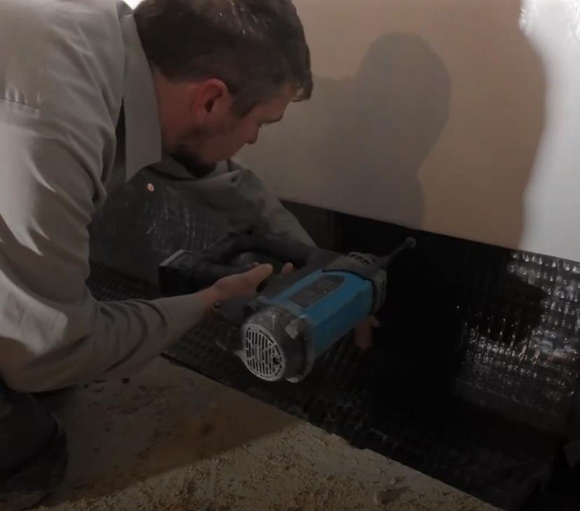
How Air Moves: Understanding the Stack Effect
Most homeowners don’t realize that their basement significantly influences the air they breathe in their bedrooms, kitchens, and living rooms. This happens because of a natural phenomenon called the “stack effect.” Just like a chimney draws smoke upward, your home naturally creates air movement from lower levels to higher levels. Cold, dense air in your basement wants to rise through wall cavities, floor systems, and any available openings. As this air moves upward, it carries whatever contaminants and moisture it contains directly into your living spaces. This explains why basement odors eventually reach your upstairs rooms and why humidity problems that start below ground affect comfort levels throughout your home. The solution isn’t to ignore your basement. It’s to control what enters it and seal it properly so problematic air never gets a chance to rise.
The Air Quality Threats Living Below Ground
Your basement faces unique air quality challenges that upstairs rooms simply don’t encounter. Moisture naturally accumulates in below-ground spaces due to soil contact and water pressure against foundation walls. This moisture creates the perfect environment for mold and mildew growth—organisms that release spores and microbial volatile organic compounds into your basement air. Chemical storage compounds the problem. Paints, solvents, cleaning products, and automotive fluids stored in basements off-gas harmful volatile organic compounds even from sealed containers. New building materials like carpet, vinyl, and adhesives contribute additional VOCs, especially during the first months after installation. Perhaps most concerning, radon gas—an odorless, naturally occurring radioactive gas—enters basements through foundation cracks and soil contact. Health organizations recognize radon as a serious lung cancer risk. These aren’t minor inconveniences. They’re legitimate health hazards that require professional attention. Your basement air quality directly determines whether your family breathes healthy or contaminated air throughout your entire home.
Health Impacts Throughout Your House
When basement air rises into living spaces, the health effects can be subtle but serious. Family members might experience unexplained allergies, persistent coughs, headaches, fatigue, or eye irritation without understanding the source. Children and elderly family members are especially vulnerable to poor indoor air quality. Respiratory conditions worsen. Immune systems work harder. Over time, continued exposure to mold spores, VOCs, and radon increases serious health risks including respiratory diseases and lung cancer. Many homeowners initially blame their symptoms on seasonal allergies or environmental factors, never realizing their basement is the culprit. Professional basement waterproofing and air sealing solutions eliminate these sources, often resulting in immediate and noticeable improvements in family health and comfort.
The Solution: Comprehensive Basement Management
Addressing basement air quality requires a multi-faceted approach. Professional spray foam insulation creates an airtight seal on foundation walls, preventing outside air from entering and basement air from rising. This critical air barrier is the first line of defense. Foundation waterproofing ensures moisture doesn’t accumulate, eliminating the conditions where mold thrives. Proper drainage systems keep water away from your foundation. Ventilation strategies help manage humidity within healthy ranges, typically between 30-50% relative humidity. Chemical storage should be relocated outside the home when possible. Together, these solutions create a comprehensive basement environment that protects your family’s health and improves your home’s overall air quality.
Ready to protect your family’s health by improving your basement air quality? Contact Home Guard Foam and Foundation today for a professional assessment. We’ll identify air quality threats specific to your home and create a customized solution that protects every room, every level, and every family member. Call us now to schedule your free consultation.